Updated October 22, 2024 02:21PM
If you buy through our links, we may earn an affiliate commission. This supports our mission to get more people active and outside.Learn about Outside Online's affiliate link policy
12 Travel Hacks Runners Should Use for Vacation Races
Navigate your next running adventure with ease by implementing these tried-and-true travel tips
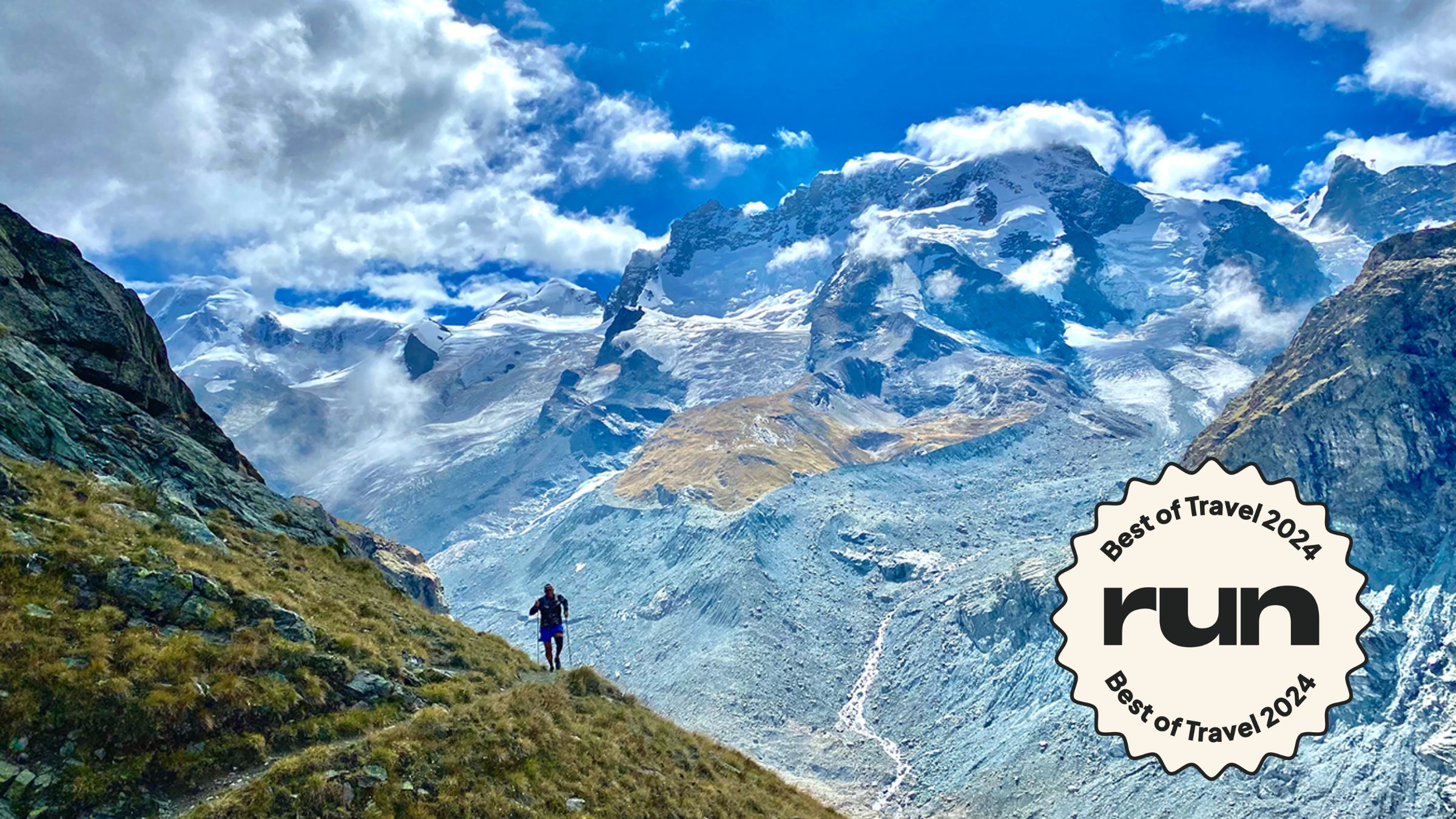
Running in Zermatt, Switzerland. (Photo: Brian Metzler)
Traveling to destination running locales and vacation races has been a growing trend for years, and it’s been on the rise again in the past few years as World Marathon Majors, Super Halfs and UTMB World Series are enticing runners to experience the sport in a new location, amid a different culture, in stunning locations around the globe.
Flying to a place you’ve never been to before, whether it’s for vacation races and marathons in new cities, or trail races and trail running adventures among spectacular mountains, can be a little daunting. I’ve learned that it’s important to manage the little things ahead of time. The more you can plan out the details of your trip—while also knowing that you need to expect the unexpected—the smoother it will go.
“Travel running is a beautiful thing,” says Mike Wardian, a marathon and trail runner who has run in 42 different countries. “You get to do the thing you love in a place you’ve probably never been before. It’s still running, but there are a lot of things that are different, especially the little nuances. If you can plan for those little things, trust me, the running parts will be so much better.”
ADVERTISEMENT
If you’re a runner with a passport, a sense of adventure, and are eager to experience running in new places, here are 10 essential track hacks to make your next trip as enjoyable as possible.
1. Splurge on Direct Flights (If You Can)
In my experience, the process of getting to your destination sets the precedent for how your running experience will unfold. Arriving stressed, late, angry, hungry, or thirsty is never how you want to start what’s supposed to be a fun trip, let alone one where you’ll be running. But it’s always a juggle between the cost of travel and the time it takes to get you there. I typically book the most direct flight paths I can—within reason. Not only does that allow you to get as much rest as possible, but it also gives you the best chance to adjust to the new time zone you’re traveling to. (And it reduces the chance of lost luggage, too!)
If you’re traveling abroad, I recommend booking the most direct flights possible, if you can afford the extra cost. This will save you time and help you avoid the stress of layovers in numerous airports. Sure, you can save money with multi-segment trips, but a non-stop flight that costs a little more will be worth every penny compared to the three-flight trip that might take an additional 10 hours of travel time. I don’t mind if I have to endure longer flight segments on the way back, but I always try to get to my destination as expeditiously as possible.
ADVERTISEMENT
2. Pack Less and Double-Up Running and Casual Wear
I used to be a notorious over-packer. I would dig out the biggest roller bag I have—I have one that’s a 65-liter behemoth—and stuff it to the gills. That usually meant packing a lot more clothes than I would ever expect to wear and several pairs of shoes that I just didn’t need. But the added stress and fatigue of handling a heavy bag or bags definitely added up. Ultimately, the excess clothing and footwear only made a mess at my destination—stuff scattered around my hotel room or worse, in the back seat of my rental car—so I learned the simple beauty of a less-is-more style of packing.
Now I typically take only two pairs of running shoes—one for whatever race I might be doing and another for shakeout runs and training runs. (If I’m not traveling for a race, it means I pack one pair of trail runners and a pair of road runners.) Then I try to pack clothing as efficiently as possible, taking as many articles of clothing that can double as both running and casual wear—like a lightweight fleece jacket or waterproof shell. I also take just two pairs of running shorts and two performance T-shirts and then rinse them out in my bathroom shower and hang them to dry. I have only done laundry on a trip once or twice, and those are typically trips than are a week or longer. (You can also see if your accommodations provide laundry service or have a washer and dryer available to use.)
3. Pack Essentials in Your Carry-on Luggage
Last year on a trip to Paris,, my luggage went missing. Fortunately, I packed a pair of running shoes, some shorts and a running shirt in my carry-on bag so while I waited for the airline to find my bag, I was able to check into my hotel and go for a run with the bare necessities. Even if you check a bag, be sure to carry your running and racing essentials—trail running shoes, race-day kit, hydration pack, performance fuel, and the items on the race’s mandatory gear list—in a carry-on bag that never leaves your sight.
ADVERTISEMENT
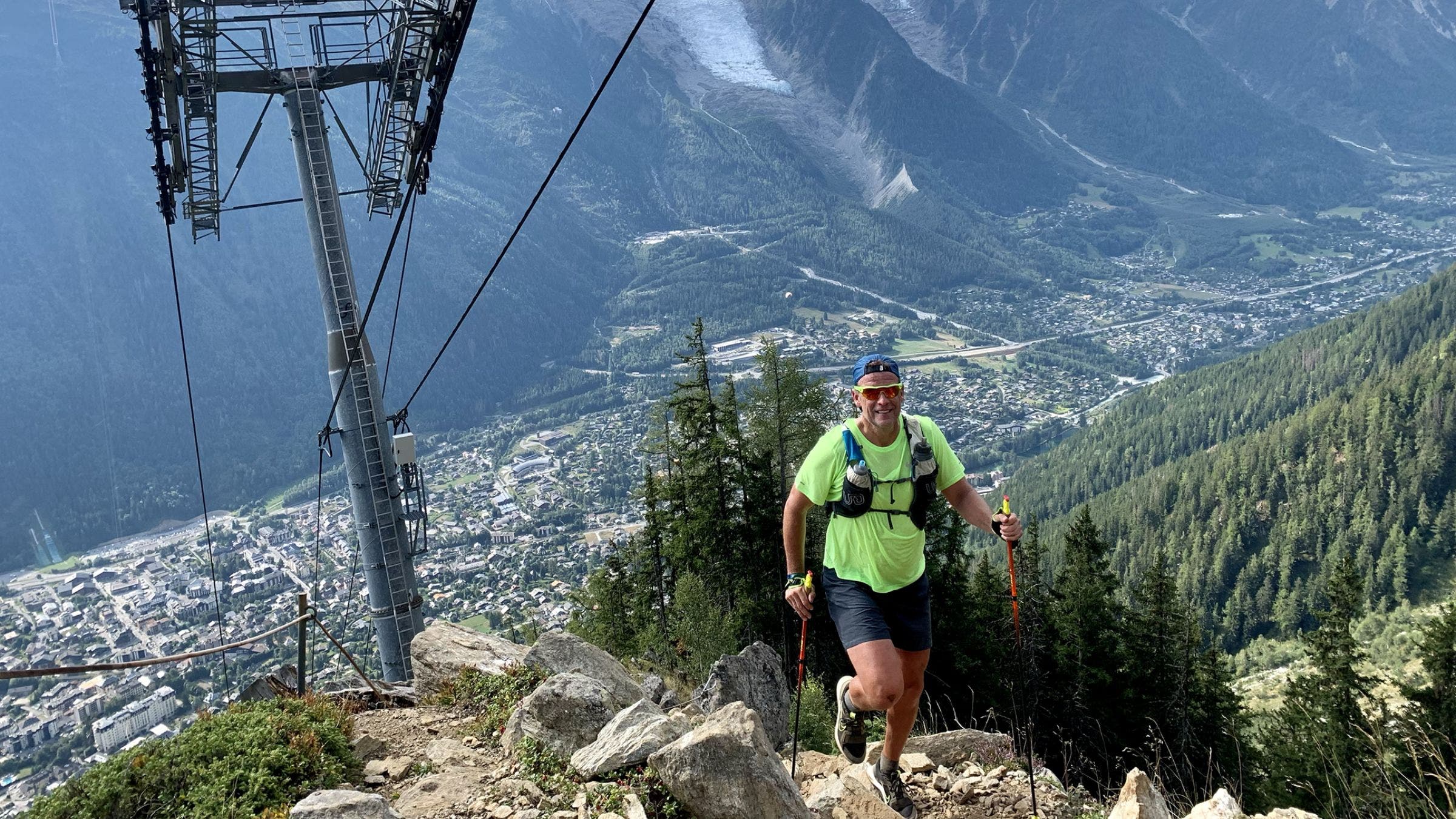
Often if your luggage goes missing, you might not get it in time for a race. Tara Savage, an American trail runner who lives in Bangkok, Thailand, arrived in Chamonix, France, a week before the CCC 100K race in 2023, but her luggage did not. She purposely planned her travels so she’d have plenty of time to rest and get acclimated to the local scene. After five stressful days of calling the airline and tracking her bag—as well as scrambling to find borrowed gear and buy new stuff—her luggage finally arrived the day before the race. “I travel a lot to races and that’s the first time it’s ever happened to me,” she says. “Lesson learned. I’ll definitely take a carry-on bag with my race essentials every trip from here on out.”
RELATED: What to Pack for a Destination Marathon
4. Hydrate and Fuel Early and Often
Flying on an airplane can push you into dehydration and fatigue, and if you’re not careful, you might not catch up in the days before your race or running adventure. Do your best to keep drinking fluids and electrolytes on your flight (I typically avoid alcohol on planes because it throws off my sleep patterns) and continue as soon as you land at your destination. I pack a handful of electrolyte packets that I can mix into my water bottle and continue sipping throughout a flight—much the same way I do on the day before a race. For this reason, if you have the option to pick your seat, always choose the aisle so you can make quick trips to the bathroom.
ADVERTISEMENT
Even if you loathe airline food, you shouldn’t skimp on meals during your trip. Try to eat a healthy meal in the airport during a layover or as soon as you land in your destination. I always pack my carry-on bag with healthy snacks—my favorites are ProBar Meal-on-the-Go bars, Nature’s Bakery Fig Bars, and sometimes Kodiak Cakes Oatmeal Chocolate Chip Protein Balls that I make in advance from a no-bake mix. (Yes, I also take a few PayDay bars, too, because that’s been my failsafe snack with a good mix of carbs, fat, and protein.) Items like sandwiches, granola bars, and nuts are allowed to be packed from home, but any liquid or gel (soups, sauces, dressings, yogurt, peanut butter) has to be in containers of 3.4 ounces or less and fit into a single quart-sized Ziploc bag.
5. Rest and Relax as Much as Possible
Traveling is fun and exciting, but it can be exhausting, too, and any added fatigue can catch up to you a few days after you arrive at your destination. Take advantage of any time you can rest or sleep on your flights, no matter if that means you’re in a cramped coach seat or in reclining business-class accommodations. I wouldn’t recommend “raw-dogging” your trip—i.e. just staring at the seatback in front of you—but I always try to limit the temptation of watching movies on the in-flight entertainment system. (Pro tip: travel with a black-out mask and wear compression socks on long-haul flights.)
As for sleeping, I’ve found the best way to avoid jet lag is to sleep as much as possible on overnight flights and then immediately adapt to the new time zone of your destination without mid-day naps. In other words, fight off sleepiness and stay awake until after your evening meal so you can fall asleep the first night in the new destination and begin the next day on the new schedule. If I give in to a nap when I arrive, my circadian rhythm gets thrown off and I wind up not sleeping well that first night and often several nights in a row. If I avoid napping, I still might wake up at 3 A.M.. after five hours of sleep, but at least I feel more rested.
6. Know Your First Moves in Advance
When you land in a new destination, it’s important to know where you’re going initially. I always try to plan out my first moves from my arrival airport to my destination (even if that’s a temporary destination for the first night) by knowing whether I’ll take a train, bus, ride-share car or hotel shuttle. If I arrive in the morning (which is common when flying to Europe), I have coffee, eat something for breakfast and then plan for a low-key day that might include an easy shake-out run or a walk to a race starting line or expo site. I try to avoid bigger, more demanding runs or extensive sightseeing days, but I indulge in local attractions if I can reach them in short walks. Mostly I post up in a local cafe, coffee shop or pub and catch up on work and emails while letting the hours go by.
ADVERTISEMENT
RELATED: What Travel Running Means to Me: A Personal Essay
7. Pack Your Own Fuel
The first time I ever tried Science in Sport (SiS) Go Isotonic Energy Gel was during a trail race in Switzerland I had picked up at the pre-race expo. Although they didn’t bother my stomach, the flavor and consistency were different than what I was used to, and as a result, I only consumed one during the race and paid the price when my glycogen stores got depleted and I bonked during the second half of the race.
Just as you would with a domestic race, it’s wise to travel with your own energy gels, sports drink mixes, and other race-day nutritional needs in a carry-on bag, if possible. You’re not likely to find the same brands or flavors on aid station tables or in the local shops of your race destination. And if you’re someone known to suffer from gastrointestinal distress, trying something new during a race can be a recipe for disaster.
ADVERTISEMENT
“Sometimes what’s promised by a race director isn’t what you actually get at an aid station,” Wardian warns. “Like UTMB, there’s a full pasta meal available with hot tea and sugar. Other times, you show up to an aid station at a race in a jungle and they don’t have anything to drink but, instead, show you where you can drink from a waterfall. It’s really a matter of being prepared and being able to take care of yourself.”
8. Carry Some Local Currency
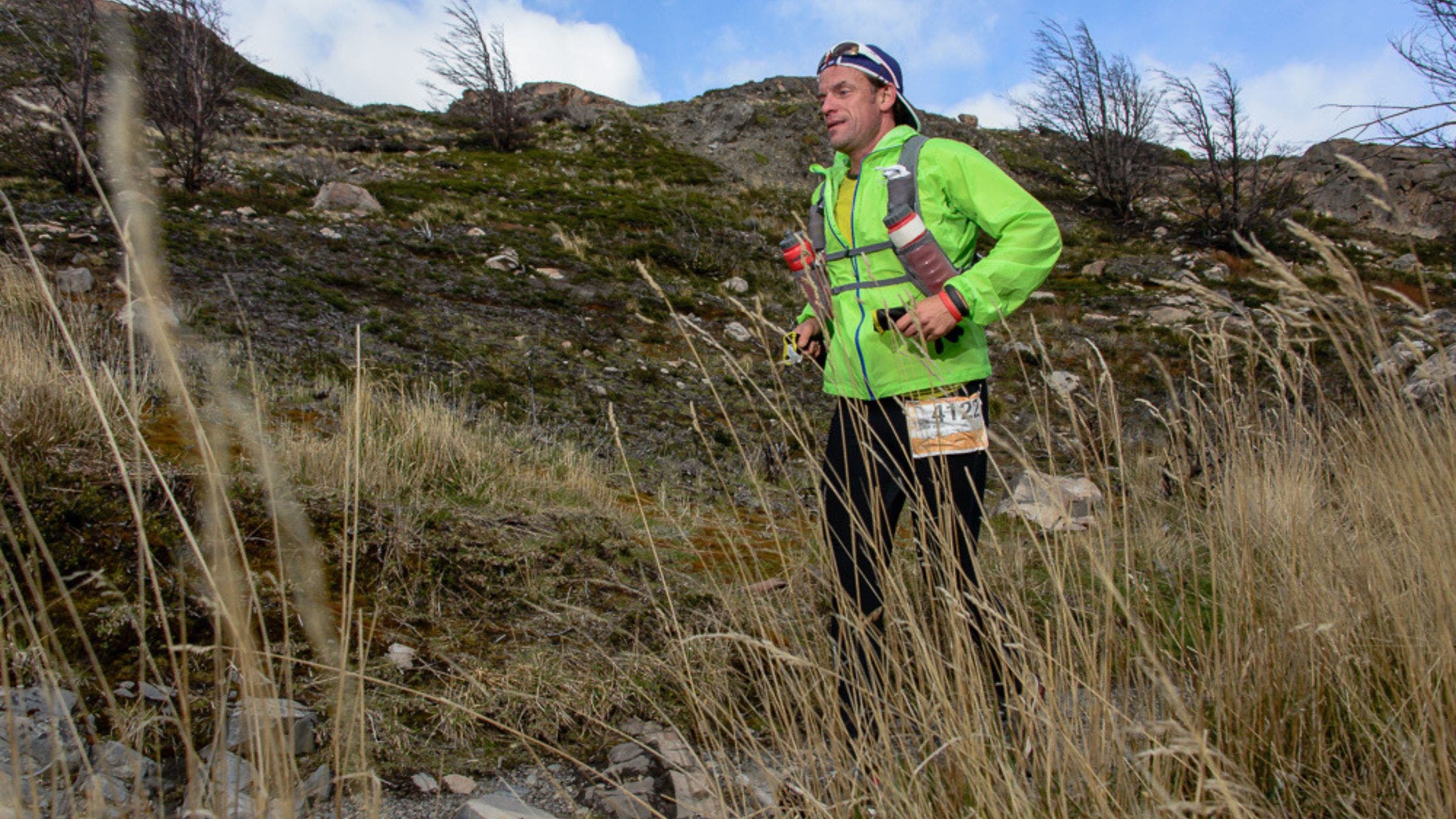
I once bought a candy bar and a Coke from a small trail-side pub during a 50K race in the English Lakes District and it helped rejuvenate me during a big gap between aid stations. The cafe was a cash–only operation that didn’t accept credit cards, so if I hadn’t packed a few British pounds in my pack, I would have been out of luck and bonked even harder. While you can rely on your credit card or a payment app on your phone in many countries, it’s wise to take at least some cash in the local currency for unexpected situations—especially during a race.
9. Pack Trekking Poles
If you’re a trail runner heading to a destination trail race, I always suggested bringing lightweight, collapsible trekking poles made for trail running. Even if you don’t run with trekking poles in the U.S., it’s wise to take them on your international races. While most domestic races are generally set on runnable trails, overseas races almost always have very steep uphills and descents. Running-specific collapsible poles—such as the Leki Cross Trail FX.One or Black Diamond’s Distance Carbon Z—usually aren’t on the mandatory gear list of a race, but I’ve found them to be essential. Running poles can reduce the impact of your feet and lower legs and help you run more efficiently on steeper terrain. Just make sure you add them to your checked bag, as you cannot pack trekking poles in your carry-on.
10. Expect the Unexpected
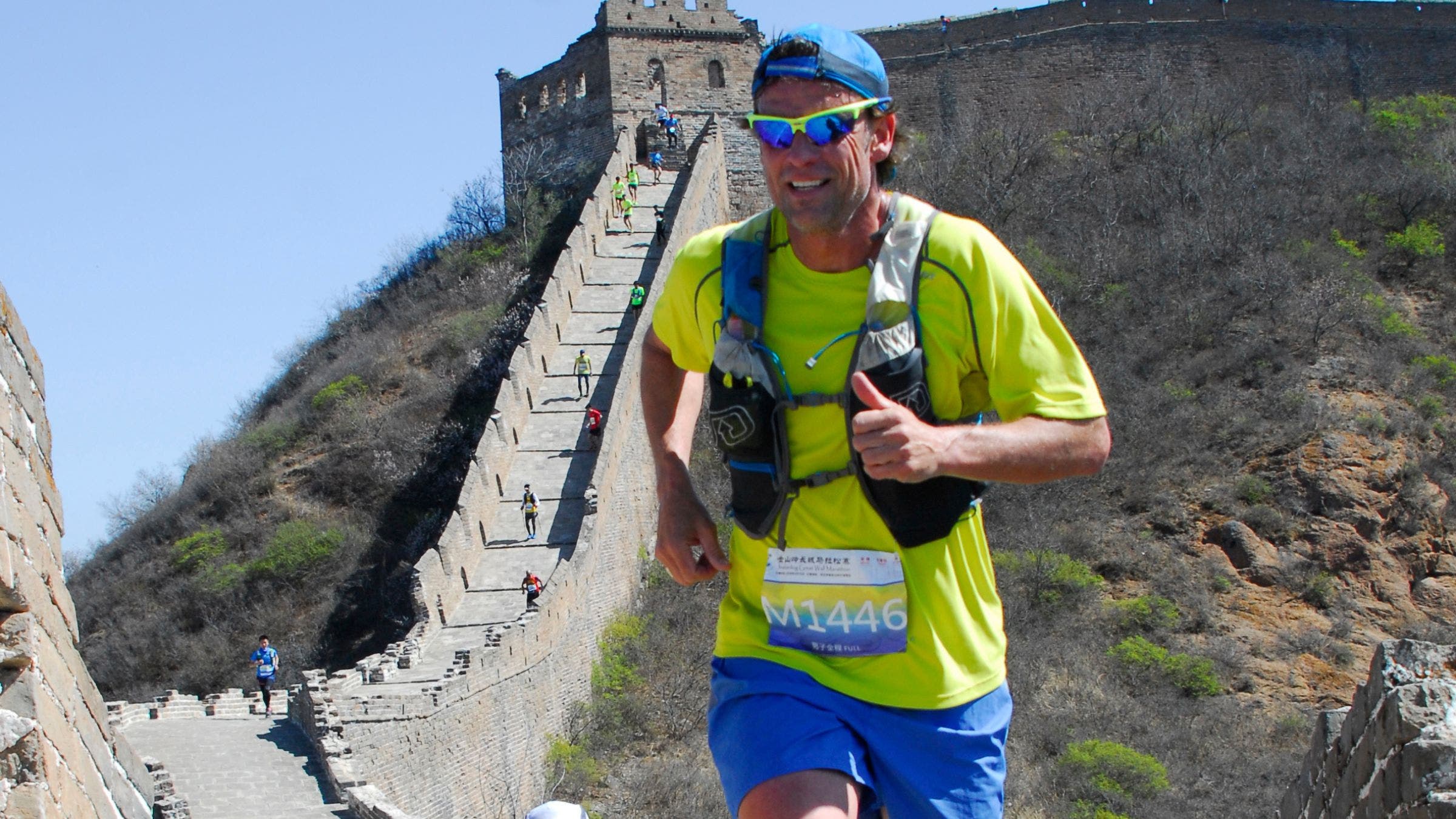
No matter what race you plan to run—a race along the Great Wall of China, jungle trail running in Costa Rica, or running across Iceland—treat your trip like the unique international experience that it is. Prepare to race to your heart’s desire, but be realistic and know that you’ll encounter dozens of quirky details that could impact your racing performance.
ADVERTISEMENT
Aside from dealing with jet lag, race logistics, and challenging weather conditions, you might find yourself running through fields with livestock and sharing the trails with local villagers or long-distance hiking tourists. Try to maintain a good attitude, take lots of pictures, and enjoy every moment. Years from now, you won’t remember where you placed or what your time was, but you’ll remember the local people, the views, the local culture, and the post-race celebration.
“One time when I was doing a race across the Gobi Desert in China, we encountered these long-haul truckers, and they couldn’t believe that we were running across the desert,” Wardian says. “They stopped and kind of forced us to have tea with them. And it wasn’t part of the race plan, but when you’re there, you’re like, ‘Hey, I’m going to have this experience because I might never have this kind of thing happen ever again,’.”
11. Respect the Local Culture and Environment
You might be traveling to a specific location for the sole purpose of running a race, but remember that visiting another place is less about your running and more about immersing yourself into the local culture and environment, Wardian says. (And the local language, too, if you can.)
ADVERTISEMENT
“When I go to run in a new place somewhere around the world, I try to learn about what life is about there and connect local people first and foremost,” he says. “If you start from that point of view, then running will feel like more of a shared journey—and that’s true no matter if you’re running your own race or if you’re on a shakeout run with locals or people from other places.”
One of the beautiful aspects of trail running around the world is the exposure to wild and fragile landscape features that make our planet such a beautiful place, Wardian says. And while traveling in airplanes to faraway destinations isn’t necessarily an eco-friendly pursuit, gaining a greater appreciation for the environmental challenges of each region can be impactful.
Wardian recommends being as delicate as possible as you enjoy the privilege of tramping through forests, over mountains, and alongside waterfalls, lakes, and rivers, and do your best to follow sustainable tourism guidelines. Consider offsetting your carbon footprint, limit your use of water and energy on your trip, and learn about and respect the Indigenous cultures of the places you are headed.
“Obviously, when you’re racing, you want to have your best possible race, but it’s also a great way to embrace the culture and the environment,” Wardian says. “It’s great to engage with the people, but it’s also about getting a chance to see people in a place that’s not necessarily a tourist destination. You could be in the middle of a little village in China, or on an island off the coast of Africa, and the locals might not speak your language, but they appreciate what you’re doing.”
ADVERTISEMENT
12. Things You Don’t Think About—But Should
Don’t forget international power converters that will allow you to power-up your phone, watch and other electronics in your hotel. Consider taking a small power bank in your race pack so you can charge your phone when it runs low on juice. Pack a rain jacket and a large black garbage bag, even if you don’t think it’s going to rain. Carry your passport during your race, have a digital copy on your phone and email a version to yourself. Most of all, maintain a good attitude and keep a good sense of humor because things can (and will) ultimately go sideways in ways you didn’t anticipate. And, always, always carry some toilet paper in a plastic bag in your running pack.
