Updated February 14, 2026 11:21AM
2026 Barkley Marathons Live Updates and Results
Love is in the air indeed this Valentine’s Day. A love for sleep deprivation and suffering, anyway. With the lighting of a cigarette, the world's toughest, most mythological footrace is underway.
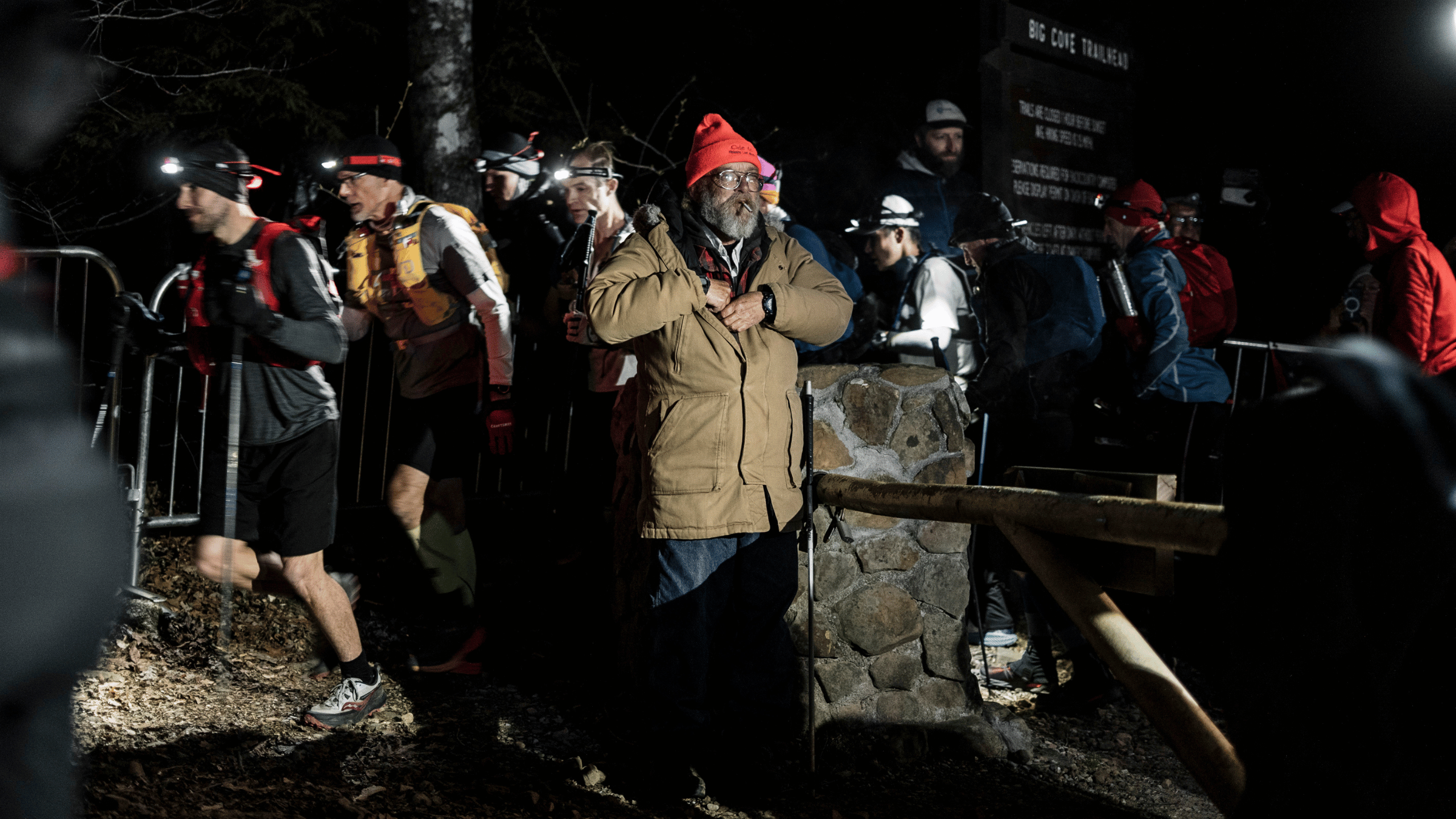
(Photo: Jacob Zocherman)
WARTBURG, Tenn. – Love is in the air indeed this Valentine’s Day. A love for sleep deprivation and suffering, anyway. The 2026 Barkley Marathons has begun.
At 6:00 a.m. EST on Saturday, February 14, race director Gary “Lazarus Lake” Cantrell lit a cigarette and a gaggle of runners forged a creek before running off into the barren, brambled woods of Frozen Head State Park, deep in the Cumberland Mountains of eastern Tennessee.
While their crews huddle for warmth in 32-degree F temps at the start, these runners are attempting the near-if-not impossible: cover a “20-ish” mile loop five times, alternating directions every two loops, in under 60 hours total. That’s 100 or so miles—although most believe closer to 130 miles—of shwacking through dense, prickly undergrowth and up and down steep hillsides with names like Rat Jaw, Testicle Spectacle, and Bad Thing that amount to well over 60,000 or so feet of climbing and descent. That’s like climbing Mount Everest, twice, from sea level. And then some.
ADVERTISEMENT
There are no course markings on this largely off-trail route, which changes year to year. No cell phones or GPS devices are allowed. There are no aid stations stockpiled with treats. Just a race-issued analog watch (which may or may not tell the time) and a paper map and compass are there to save you. There’s little time, if any, for sleep.
The 2026 Barkley Marathons: The Hardest Edition of the Hardest Race?
For a race steeped in tradition, very little about the 2026 Barkley Marathons sounds familiar. Let’s start with iconic the yellow gate marking the start and finish. It’s making a, well, special appearance this year. Big Cove Campground is closed for renovations, so the race start/finish is down the way at the shelters. Hence the creek crossing right at the beginning of each loop. How conveniently inconvenient.
Next up, the race director. For the second year, Laz will be joined by Carl Laniak, who has taken much of the reins. And lest we forget, the duo dialed up the volume to louder than 11 last year in what three-time finisher John Kelly called the hardest edition of the race he’s entered.
ADVERTISEMENT
And if Valentine’s Day sounds too early for what many love to call The World’s Toughest Footrace, you’re also right. The Barkley Marathons, typically held in March, sometimes April, has never started before March 1.
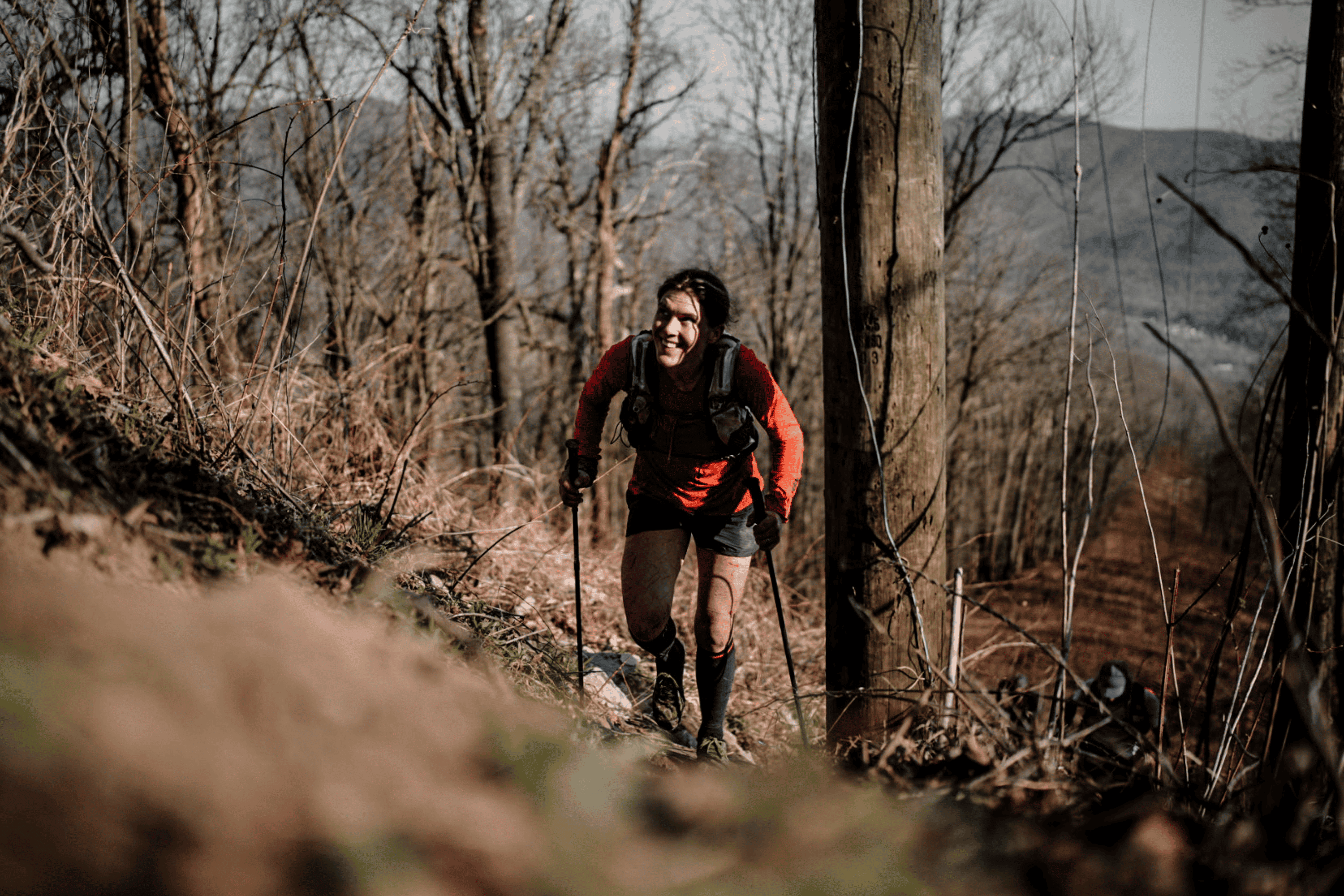
Why is the race so early this year? While we can’t be certain, it’s a safe bet to assume that Laniak and Laz figured they needed a little extra cold, wet, darkness, and misery to ensure the “success” of the event. Translating that from Laz-Laniak speak, we mean pure and utter failure. Sure, for the 25th time since the inaugural race in 1986, no one finished the Barkley Marathons last year. But the specter of an unprecedented five finishers in 2024 undoubtedly haunts Laz and Laniak’s conscience. This race has, collectively, about a 2% finish rate, after all.
And why on a long weekend with not one, but two, holidays? (For our non-American friends, Monday is Presidents’ Day.) Most likely, to throw us off the scent and keep the media away, those dastards.
ADVERTISEMENT
Nonetheless, for those of us with nothing better to do this holiday weekend, we’re in for quite the sweet, if also Satanic, treat. Buckle up, the 2026 Barkley Marathons is here, and it’s shaping up to be harder than ever. Keep reading to catch the live, ongoing play-by-play.
Wondering what the Barkley Marathons is all about? Head over to our full Barkley Marathons guide to get the full run down on what is the Barkley Marathons, the lore, the course, and all 20 finishers (who have collectively finished 26 times).
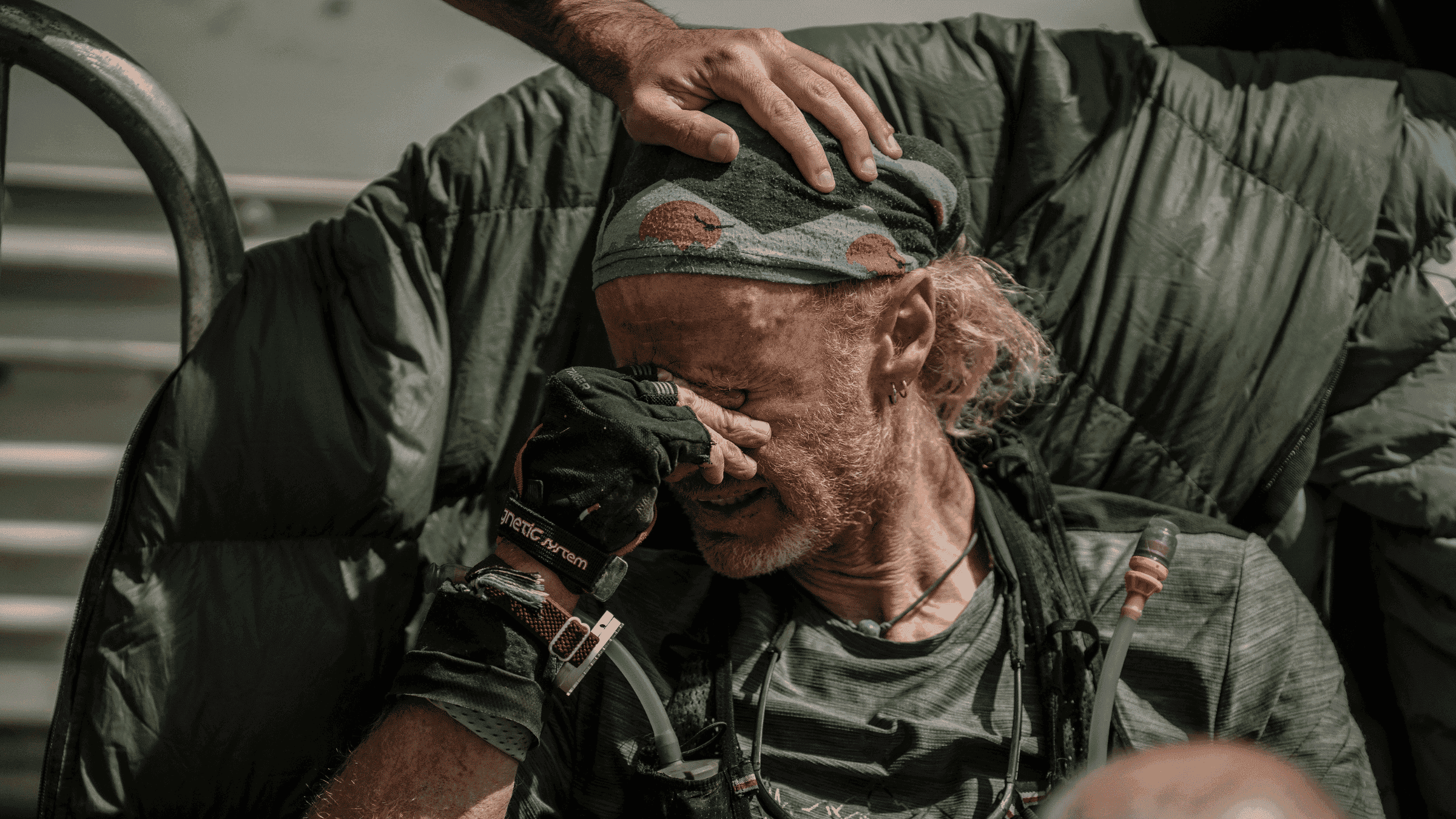
Barkley Marathons Rules (a Refresher)
To say the Barkley Marathons is counter-cultural would be an understatement. But that, of course, is exactly what makes Laz’s events so beloved and bewitching.
- Runners hoping to enter the Barkley Marathons must first figure out how to apply.
- If accepted, runners receive a letter of condolences. (About 40 runners get in every year.)
- There’s a $1.60 fee to apply. If accepted, new runners, aka Barkley “virgins,” must bring a license plate to the start. Veterans must bring some other item specified by the race director (such as a t-shirt or socks).
- Runners are allowed one crew member each.
- Crew is not allowed on course, other than at the campground and the lookout tower 4 miles away. Aid and communication with runners is only permitted while runners are in camp in between loops.
- There are two water stations along the course, otherwise runners must carry their own supplies, restocking after each loop.
- Runners and crew traditionally camp out in tents. Sprinter vans are permitted, but no RVs.
- GPS devices and cell phones are not permitted. Paper map and compass plus a race-issued analog watch only.
- At the start of each lap, each runner is a bib. At 13 or so checkpoints along the course, runners must find the book and rip out the page corresponding to their bib number to prove they completed the entire loop.
- Every runner who DNFs is officially pulled from the race while Taps is played on a bugle trumpet.
- Runners who complete three loops within the 40-hour cutoff are awarded a “fun run.”
- Loops 1 and 2 are run traditionally clockwise (ensuring one is in the light, the other at night). Loops 3 and 4 are run counterclockwise.
- If any runners make it to loop 5, the first one chooses the direction, with subsequent runners alternating directions.
- To finish the Barkley Marathons, runners must finish all five loops in under 60 hours.
- There is no official live tracking, and only Keith Dunn (@keithdunn on X) can report live from camp.
- To stay within state park capacity, the Barkley Marathons is not open to the public.
Barkley Marathons Updates and Instant Analysis
4:41 Elapsed: The French are at the tower!
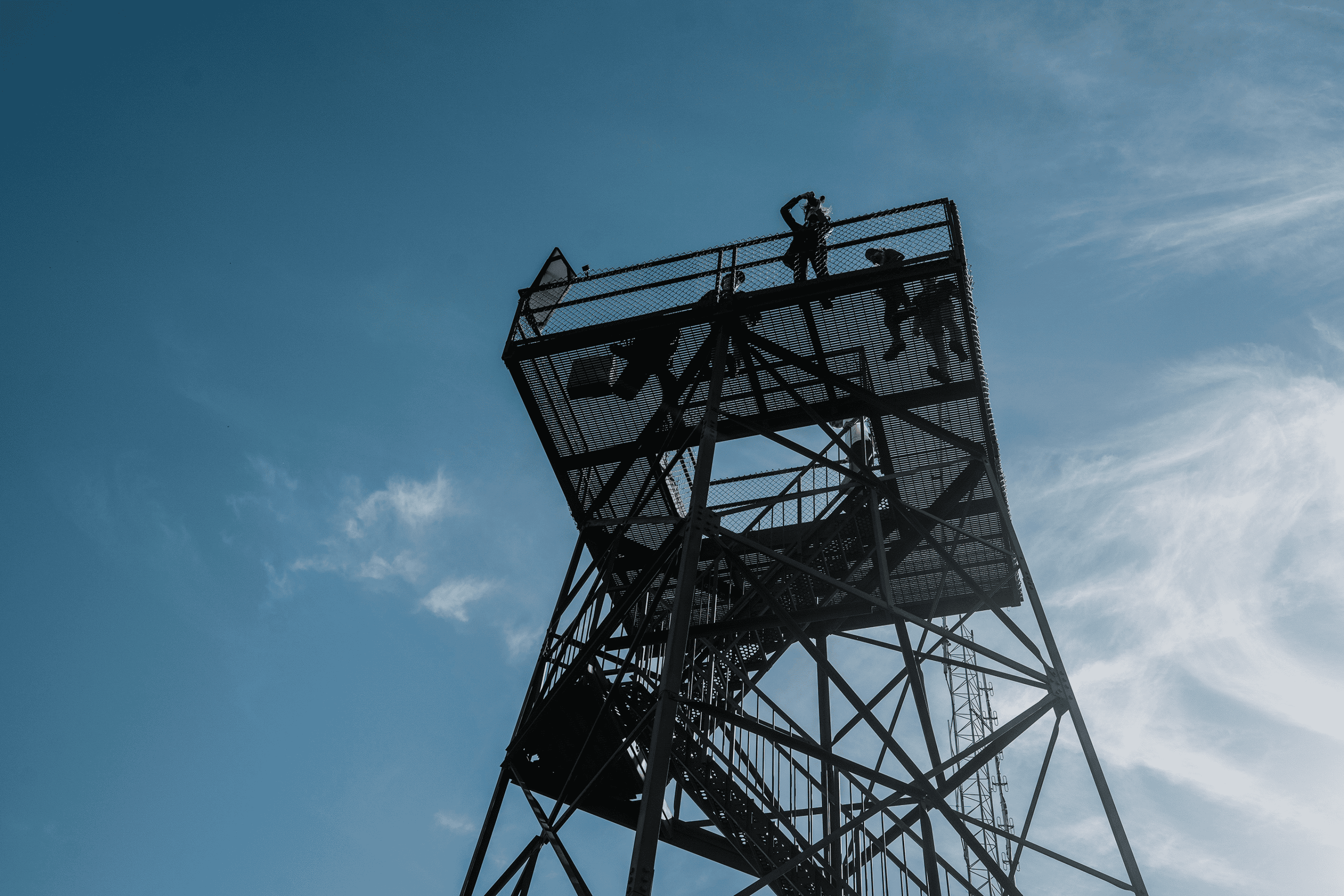
A group of 10 runners have made it to the lookout tower, and the first five “all have French accents,” Keith says. Where along the course is the tower, you may be wondering? Who knows.
We do know the tower is about 4 miles away from camp, but since the course changes year-to-year, who’s to say how many more checkpoints runners must reach before completing loop one.
3:02 Elapsed: We have our first DNF
Well that didn’t take long.
Just three hours into the race, someone has called it quits. “We don’t know who, we don’t know where they are, and we have no idea when they’ll be back, but someone definitely has dropped,” Keith reports.
Even on last year’s notoriously difficult course, everyone made nearly six hours. Buckle up, friends.
8:54 a.m.: Who’s in the race?
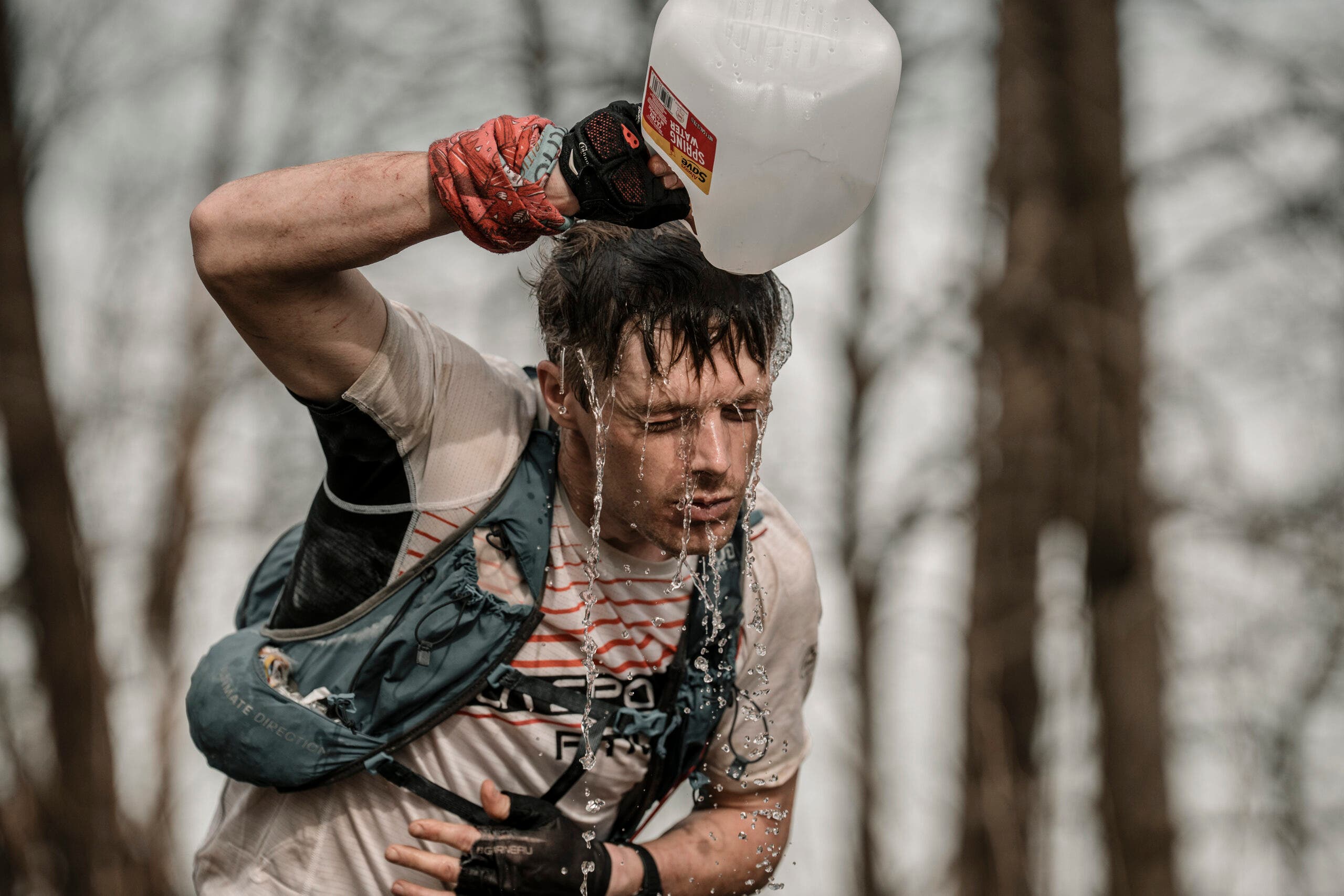
Per tradition, the names of the entrants are never officially revealed. And they won’t be leaked until at least after they complete loop one—if they are so lucky to do so.
All we will say for now is that three-time finisher John Kelly, the only runner to complete a “fun run” last year, went Strava dark after February 4. Only one runner, Jared Campbell, has more Barkley finishes (four).
Kelly wrote in his 2025 race report that last year’s race was, by his estimation, 7% harder than the previous year, with about an extra mile and 10% more climbing on each loop. (Can you tell he’s a data scientist?)
“Barkley isn’t sadistic. If anything, it’s existentialist,” he wrote. “Barkley is a satire. All races are absurd, as are other sports, and art, and music, and most things that give us joy or meaning.”
Kelly understands that meaning is not absolute, it’s cultivated. He finds meaning through pushing himself beyond his perceived limits, and that’s precisely the opportunity that the Barkley presents.
All that to say, we hope to see him in the field this year.
6:18 a.m.: And now we wait
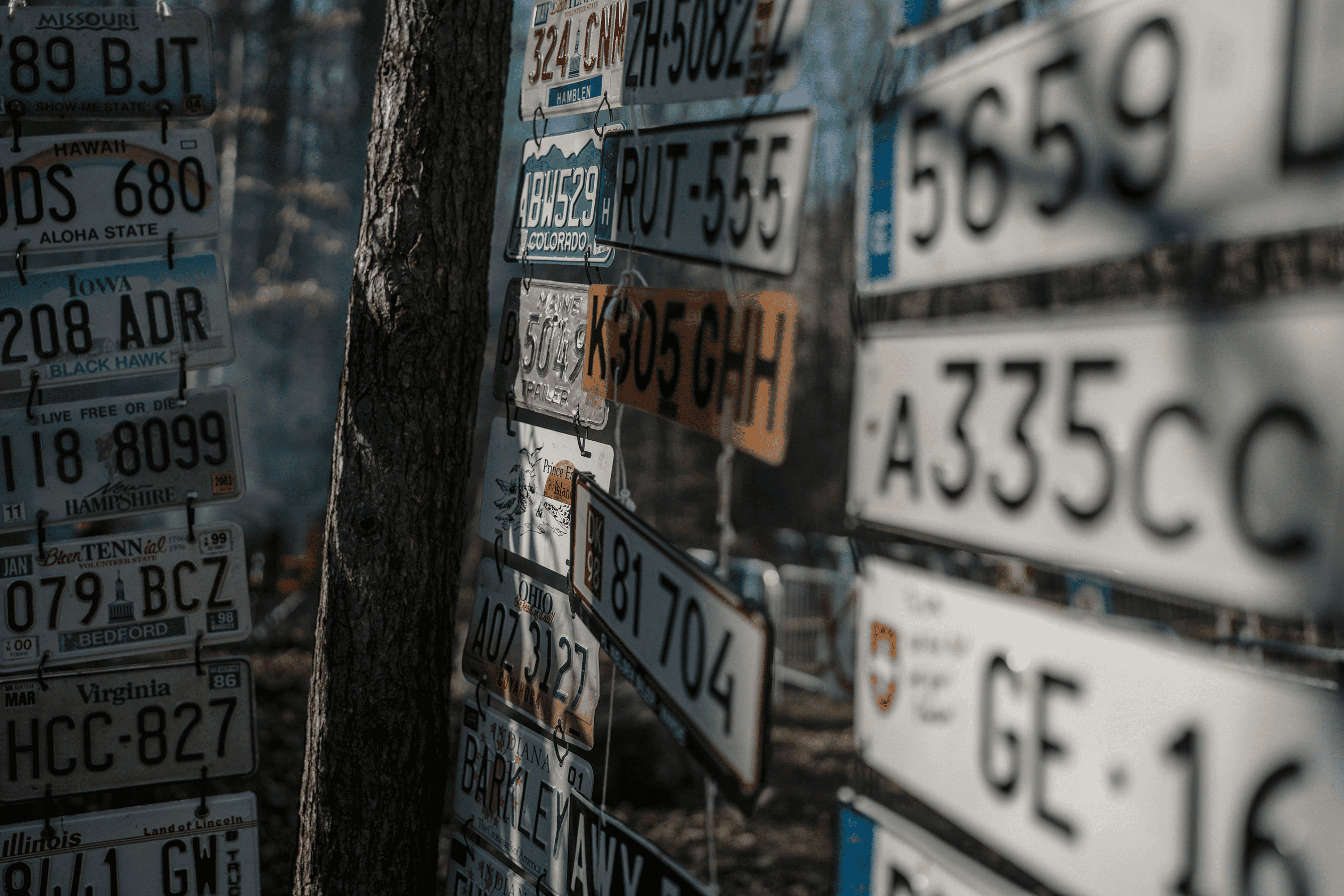
The runners are exactly 18 minutes into their herculean quest that, if they succeed, will take upwards of three full days.
With a 60-hour cutoff to complete all five loops, runners theoretically need to finish loop one in 12-13 hours if they want to have any chance of completing the whole thing. But keep in mind that the cumulative effect of fatigue and sleep deprivation compounds exponentially throughout the event. Plus, the nighttime laps are always slower.
Based on historical performances, runners really need to finish loop one in under 9 hours if they want to have any chance of being in that elusive 2% of entrants who have finished the race. In 2024 when there were an unprecedented five finishers, nine runners completed loop one in 8 hours-and-something.
Back at camp, people are “looking for things to do,” Keith says. “One of the media tried warming a banana over the camp fire,” he continues. “She was very disappointed in the result.”
6:00 a.m./Hour 0: The 2026 Barkley Marathons has begun
The 2026 Barkley Marathons has begun, and it’s already full of surprises.
After a “brief memorial,” Laz lit his customary cigarette and 40 or so competitors from around the globe ran off into the barren woods. But not before forging a creek, a new addition to the race this year as the start/finish, which also serves as home base in between in each loop. (This base has been moved about half a mile away from the customary Big Cove Campground, which is undergoing renovation.)
Fear not, however, the yellow gate is still miraculously present.
For the first time in Barkley history, the first two loops will be run counterclockwise, per Keith Dunn. The next two, should anyone make it that far, will be clockwise, and runners will alternate on the final loop. Given each loop inherently alternates between daytime and night, this ensures every lap looks as different as possible, maximizing navigational difficulty.
5:34 a.m.: Laz is not worried
You may have realized that the 2026 Barkley Marathons coincides with not only two holidays, but also a whole slew of sporting events. Tarawera Ultra-Trail and Black Canyon—two golden ticket races into the Western States 100—are on Saturday, and in case you missed it the 2026 Winter Olympic Games is ongoing.
Is Laz worried the Barkley will be overshadowed by all of this hoopla, Andrew Roberts asked on X? Keith set the record straight:
Andrew, my dude, you clearly don’t know Laz. If anything, Laz most likely chose this weekend precisely because it’s a spandex-clad, sweetheart candy circus. The more he attempts to shelter Barkley from attention, the more attention it gets. The “IFYKYK” aspect is exactly what makes the event so alluring.
Plus, Barkley transcends ultrarunning, and even sport.
While we wait, here’s a Barkley Marathons map (kind of)
There are no course markings at the Barkley. Before starting, runners are given access to the “master map,” which they can then painstakingly copy on their own paper map for navigating by hand with a compass.
The Barkley Marathons course changes every year, and even previous versions are kept under strict lock and key. But what we do know is the race begins and ends at Frozen Head State Park in the Cumberland Mountains of eastern Tennessee, where runners can expect to contend with snakes, bears, wild boar, poison ivy, and bipolar weather switching on a dime from boiling sun to freezing rain.
Don’t be fooled by the trails on the map—the Barkley Marathons is essentially all off-trail through dense, prickly forest and underbrush.
5:00 a.m., February 14: The conch has been blown, the 2026 Barkley Marathons begins in 1 hour
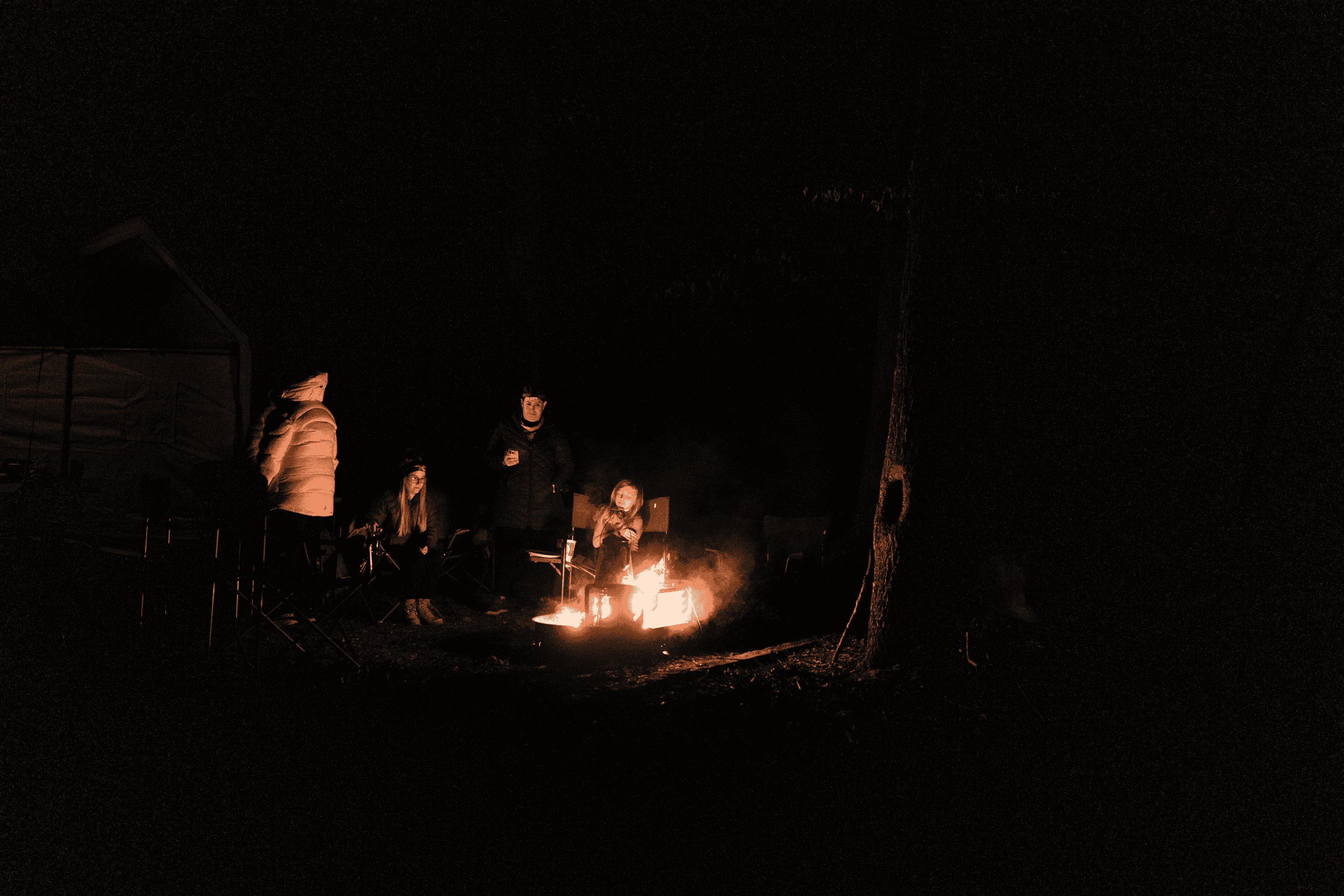
This is not a drill, friends. With the blowing of the conch shell at 5:00 a.m. on the dot, the 2026 Barkley Marathons begin in one hour, per @keithdunn on X, the official-unofficial Barkley liaison.
This is the earliest calendar start in Barkley history by over two weeks. (The previous record was March 1, when the inaugural 1986 Barkley Marathons was held. The race was “only” 50 miles back then.)
