Published October 28, 2025 01:07PM
This Ultramarathoner Orthopedist Recommends These Supplements
From vitamin D to Coenzyme Q10, here’s what one ultramarathoner orthopedist recommends for runners who want to feel great (after checking in with your doctor, of course).
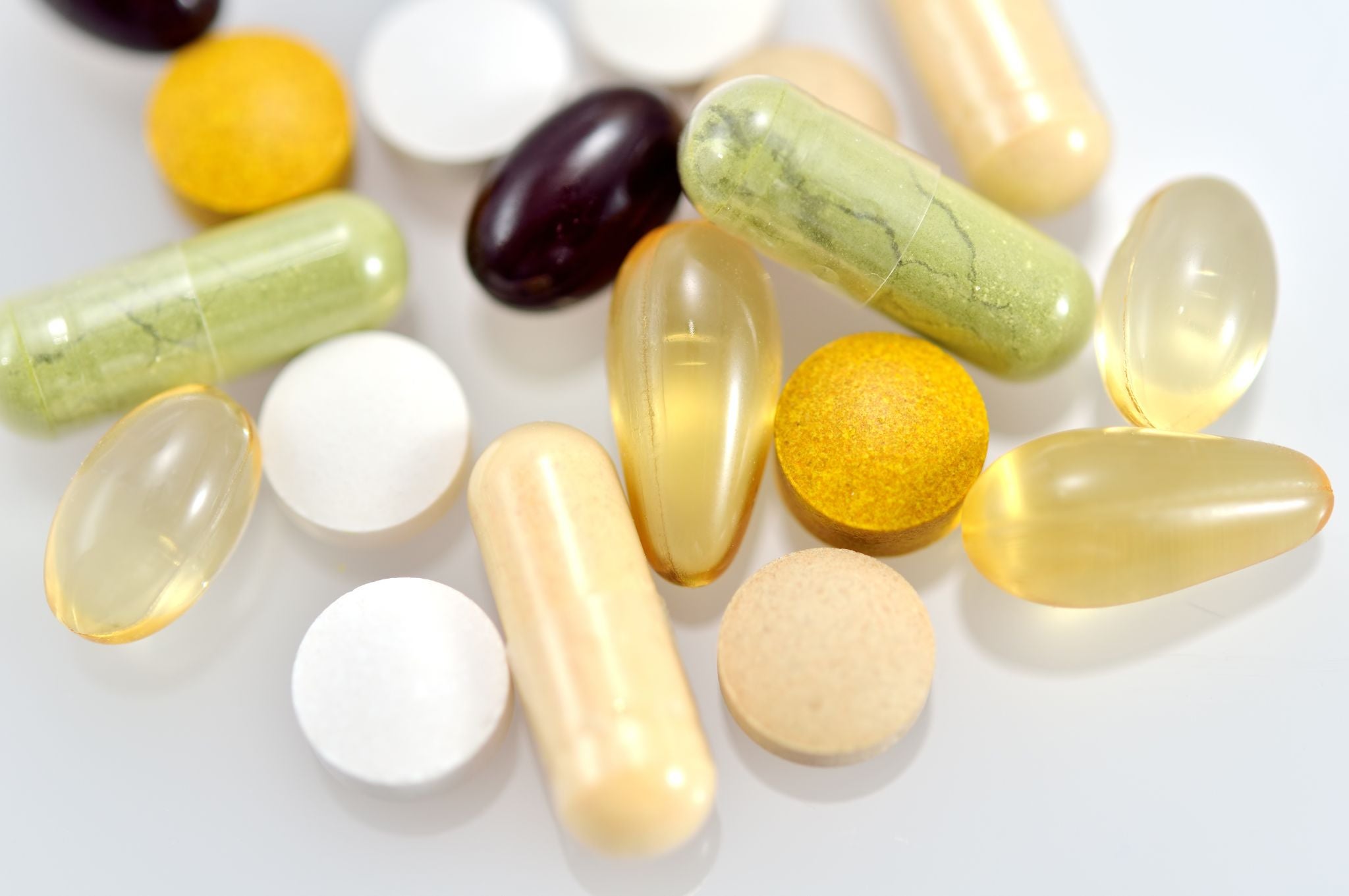
(Photo: Canva)
Back in February, I started to feel some nagging discomfort in my groin during a speed workout. It was ultimately manageable, allowing me to continue with my eight-stage run in Nepal’s Mustang Trail Race where I coincidentally met Dr. Petra Krause, an orthopedist who specializes in sports medicine at sportsmed.berlin.
I quickly learned that she’s a serious athlete herself, securing a slot at the Ironman World Championship after her first race in Copenhagen in 2022. She’s also an avid mountain runner from her days living in Zurich, jumping into races like Germany’s Zugspitz and the seven-day Transalpine Run.
Suffice it to say, she knows what it takes to train hard. Once I learned that she happens to live just a short tram ride away from me in Berlin, I turned to her to help me diagnose and treat this discomfort.
In our last appointment, she mentioned some of her recommended supplements for serious runners. Below, we break down those nine recommendations with the caveat that you should first consult a doctor familiar with your medical history and get bloodwork done to best understand your deficiencies and needs.
ADVERTISEMENT
The best supplements for runners
Vitamin D
Vitamin D is a fat-soluble vitamin that supports bone health, muscle function, and immune defense. It can also help prevent muscle weakness, bone stress injuries, and post-run fatigue.
For most of us living in the northern hemisphere, sunlight alone isn’t enough to maintain healthy Vitamin D levels. Krause recommends 3,000 international units (IU) daily in winter and 1,000–2,000 IU in summer, ideally as a droplet taken with a fatty meal for better absorption.
ADVERTISEMENT
RELATED: What Should I Eat When I’m Injured?
Vitamin B
The B vitamins (especially B6 and B12) are vital for energy production, metabolism, and red blood cell formation. Runners who follow vegetarian or vegan diets are more likely to fall short on these nutrients.
Krause suggests supplementing B6 (2mg) and B12 (up to 100 micrograms) daily to maintain steady energy levels and avoid fatigue. These are often combined into a single tablet for convenience.
Folic Acid
Also known as Vitamin B9, folic acid works closely with other B vitamins to help form red blood cells and convert food into usable energy. Like B vitamins, folic acid is especially important for vegetarians, vegans, and women. Krause recommends 400 micrograms per day to support endurance and recovery.
ADVERTISEMENT
Magnesium
Magnesium is a mineral essential for muscle and nerve function and for producing adenosine triphosphate (ATP)—the body’s fast-acting energy source.
“Magnesium is very important for muscle and nerve function,” Krause says. She recommends 300mg daily to help reduce muscle soreness, preferably in the evening. Go for magnesium citrate pills instead of the effervescent tablets you dissolve in water, which she says the body doesn’t absorb as well.
Coenzyme Q10
Coenzyme Q10 is a naturally occurring antioxidant that fuels mitochondria—the “power plants” of your cells. Supplementing with Q10 can help protect your muscles from oxidative stress (potential damage to your body’s cells) and reduce fatigue. Krause suggests taking 100mg daily with a fatty meal, noting it’s particularly helpful for ultrarunners looking to aid muscle regeneration.
ADVERTISEMENT
Creatine
Krause used to avoid creatine, a compound found naturally in muscle cells that helps produce energy during high-intensity activities, because of its earlier association with bodybuilders. “But research now shows it can help with recovery and muscle soreness,” she says, noting more recent studies that show promising results for brain function and preventing dementia. Athletes new to creatine can start with a loading phase of about seven days, taking 20g per day before lowering to 5g daily.
Omega-3
Omega-3 is a group of essential fatty acids—EPA and DHA—that play a key role in heart, brain, and muscle health. They help reduce inflammation and support muscle recovery. Krause recommends 5 milliliters per day, from either fish oil or vegan (algae-based) sources. She cautions that many commercial products are underdosed—look for reputable brands, like Pillar and Thorne, with at least 2000mg combined EPA/DHA.
Iron
Iron is an essential mineral that helps produce hemoglobin, the protein that carries oxygen in your blood. Endurance athletes often lose iron through sweat, urine, and even from the repetitive impact of running, but most often, you can replace it with good nutrition.
But if blood tests confirm you are iron deficient, Krause recommends supplementing every other day with 100mg, and taking it with Vitamin C to help absorption. Avoid coffee for at least an hour afterward, since caffeine can interfere with uptake.
Since taking too much iron can backfire and cause some gnarly side effects, it’s best to only supplement if tests show you’re truly low—even after tweaking your diet. Your doctor can help you figure out exactly what (and how much) your body needs.
ADVERTISEMENT
Hyaluronic Acid
Hyaluronic acid (HA) is a substance naturally found in the body’s connective tissue, used to lubricate joints. As a supplement, Krause usually injects it directly into a joint. It should only be administered by a medical professional and is only approved for temporary pain relief.
Krause describes HA as purely an “add-on” due to the lack of substantive studies on oral supplementation. But some runners with high training loads swear by it. The anecdotal evidence is enough for her to recommend trying it out to see if it works with your body.
The Big Picture
It’s important to remember that, as Krause put it, the best supplements won’t replace proper nutrition. They’re called supplements for a reason. You also shouldn’t supplement if you don’t actually have a deficiency.
ADVERTISEMENT
She’s also quick to note that you shouldn’t get obsessed with supplementation, mentioning the multi-millionaire Bryan Johnson as a cautionary tale. Johnson is infamous for his daily anti-aging routine that starts with 54 pills in the morning, totaling over 100 each and every day.
“Don’t get stuck in restricted habits,” she says. In other words, it’s no fun being the healthiest person alive. Strong athletes with some deficiencies are better than those who miss workouts but take all their pills.
“There’s no alternative to good nutrition and consistent training,” she reiterates. “If you eat poorly and train irregularly, supplements won’t make it better. It’s like buying an expensive bike and never riding it.”
