Updated July 23, 2025 04:25AM
Hey Runners, Stop Ignoring Your Butt
Building strong glutes prevents injuries and boosts performance, so why are you skipping leg day?
(Photo: Getty)
We already know that many runners have a proclivity to forget about the importance of weightlifting, especially the glutes. Chicago-based running coach, Katie O’Connor—who has been guiding runners for more than 15 years—believes runners who avoid glute-focused strength training either think they don’t need leg strength or don’t know where to start. And that lack of appropriate conditioning is likely limiting their running.
“In reality,” she says. “A simple plan you can execute a few times a week can help a ton and doesn’t take a lot of time.”
Even less experienced runners know that their glutes play a role in running performance, but how big of a role? The gluteus maximus is the powerhouse of a good stride, and should never be ignored or left behind, pun intended. In fact, doing so might mean risking injury.
The Role of Glutes In a Stride
Besides being the largest muscle in the body, the glutes are activated during almost every step of the gait cycle. When your foot first strikes the ground, the glutes flex and control balanced hip adduction. During the middle of the gait, the glutes stabilize the hips. And lastly, when you propel yourself forward into a stride, the glutes create hip abduction.
ADVERTISEMENT
***Abduction encompasses limbs moving away from the midline (Think clamshells, lateral banded walks, reverse fly), while adduction means bringing the limbs toward the midline (Think lateral pull-downs, pull-ups, lateral lunges).
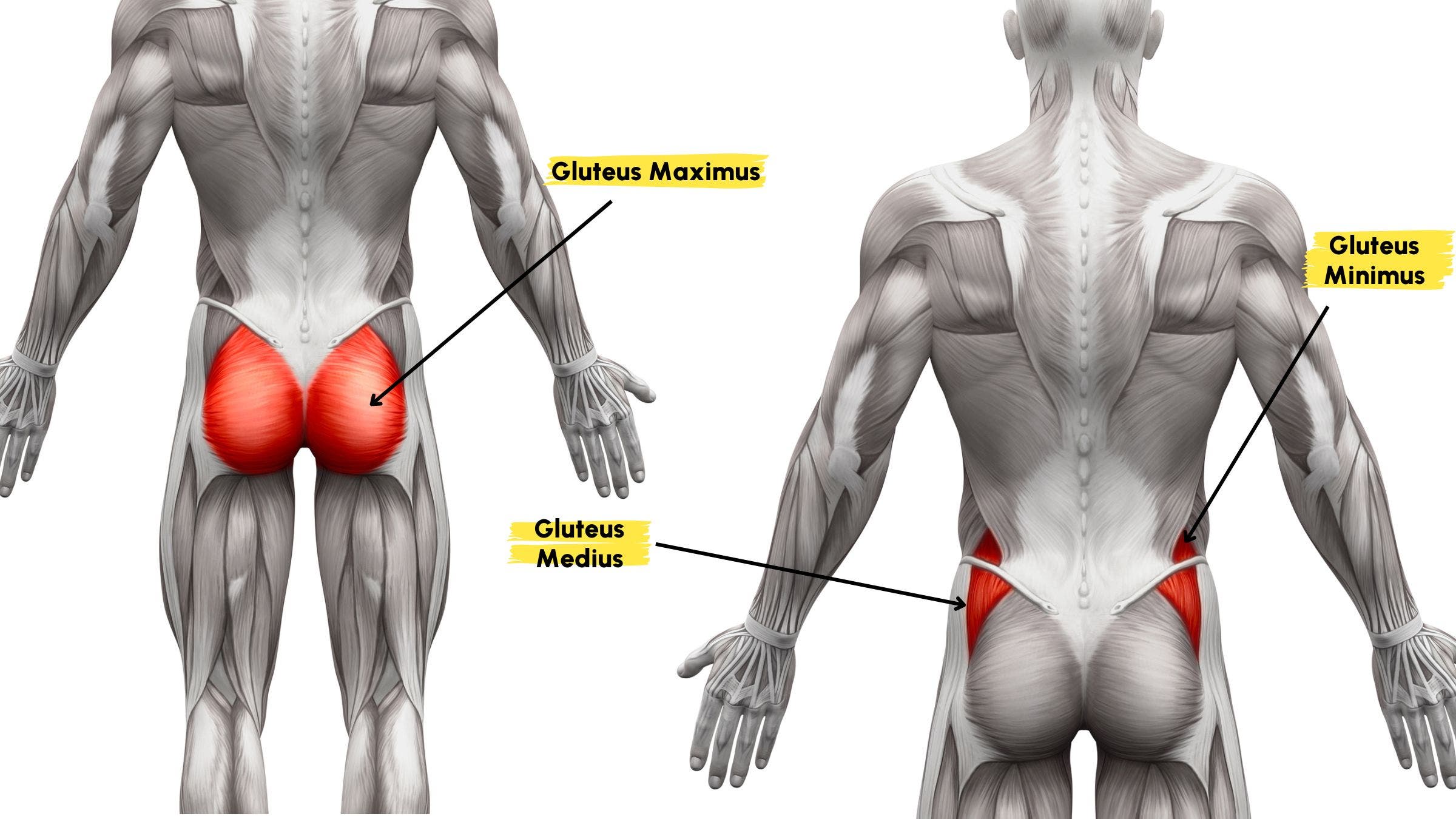
You may be thinking, how can one body part do all that at once? Well, there are actually three different muscles within the glutes: the maximus, medius, and minimus. Together, they work synergistically to produce power and stability.
Gluteus Maximus
We can thank the gluteus maximus for keeping us humans as bipedal athletes, as it (the largest and heaviest muscle in the body) is hugely responsible for erect posture. When running, the maximus is contracting, extending the hip flexors as you push off the ground. Plus, this muscle decelerates the leg swing so that the ankle, knee, and hip joints can align properly before pumping off that leg and accelerating again.
Gluteus Medius
The gluteus medius, attached on the side of the hip at the top of the thigh bone, is responsible for keeping you balanced. The medius stabilizes the pelvis when you step, which is super important since unstable hips can lead to overcompensation in the lower back. And that’s not all. The medius also absorbs the force of the ground, and prevents your knee from bending inward when you land your stride.
ADVERTISEMENT
Gluteus Minimus
The gluteus minimus, though the smallest muscle within the glutes, works in conjunction with (and is located underneath) the medius. Though the minimus performs nearly the same functions as the medius, it assists with internal rotation at the hip. This rotation activates and engages the upper glute muscles, inner thigh muscles, and tensor fasciae.
A Better Butt Means…
Speed and Strength
The glutes help with propulsion and speed, so if you want quicker paces, you’ll have to grow them. The bigger the muscle, the more force it can generate, thus resulting in your next PR. And while this is especially helpful with sprinting, strong glutes can also lead to better endurance, since building stable hip extension will help you maintain speed for longer.
Balance and Stabilization
The glutes not only protect both the lower back and knees, but also keep you balanced. “They aid in managing movements of the pelvis, hips, and trunk,” says Denver-based clinical exercise physiologist Alexis Bhagat, MS, and ACSM-CEP. “By doing so, they distribute the load across the lower back and legs more evenly.”
When the hip is unstable, it can lead to excessive inward rotation of the thigh bone (femur) upon ground impact, causing misalignment of the kneecap as the leg bends and straightens, known as lateral patellar tracking.
ADVERTISEMENT
“Ultimately, this becomes the frequent cause of pain for many athletes, especially runners,” Bhagat says.
Injury Prevention
Strong glutes not only enhance athletic performance, but they can also reduce the risk of injury. Runners with weak posterior chains (the group of muscles along the lower half of your body, like the glutes, hamstrings, erector spinae, lats, calves, and rear shoulder muscles) often overcompensate by using other parts of the body, which can lead to unnecessary pain and inflammation.
“If glutes aren’t doing their job, other muscles (usually smaller-sized muscles) pick up the slack, and that’s when injury can happen,” says O’Connor. “When we overload other muscles not designed to take such load like the glutes.”
ADVERTISEMENT
To pinpoint whether or not your pain is due to weak glutes, you should pay close attention to how sore your hamstrings, IT bands, and hip flexors are after running. Typically, if you’re feeling extra fatigued in these areas, it’s because they’re being overworked to make up for your glutes’ lack of participation.
Glute Workout for Runners
O’Connor recommends doing lower body strength training two times a week, preferably on easy running days or non-running days. This gives your muscles ample time to recover between workouts. She also adds that leg day doesn’t have to be a long, intense routine, but a series of small, glute-focused movements.
She and Bhagat compiled some of their favorite exercises to incorporate into your routine for stronger glutes:
Deadlifts
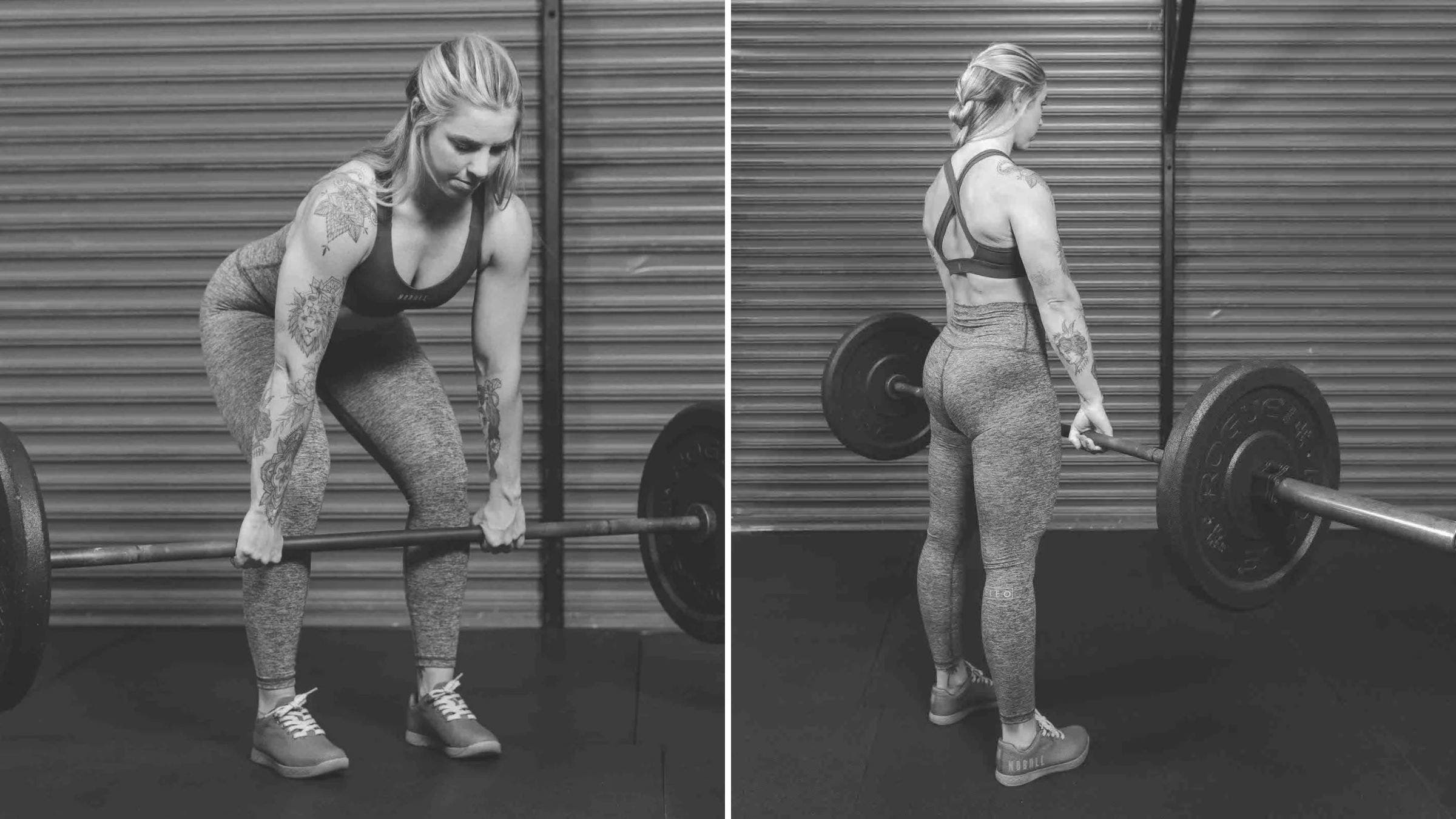
This movement can help you learn how to hinge your hips forward to be aligned with your knees and feet, the same way you do when you’re running. Plus, it strengthens glutes and hamstrings.
ADVERTISEMENT
Hip Thrusts
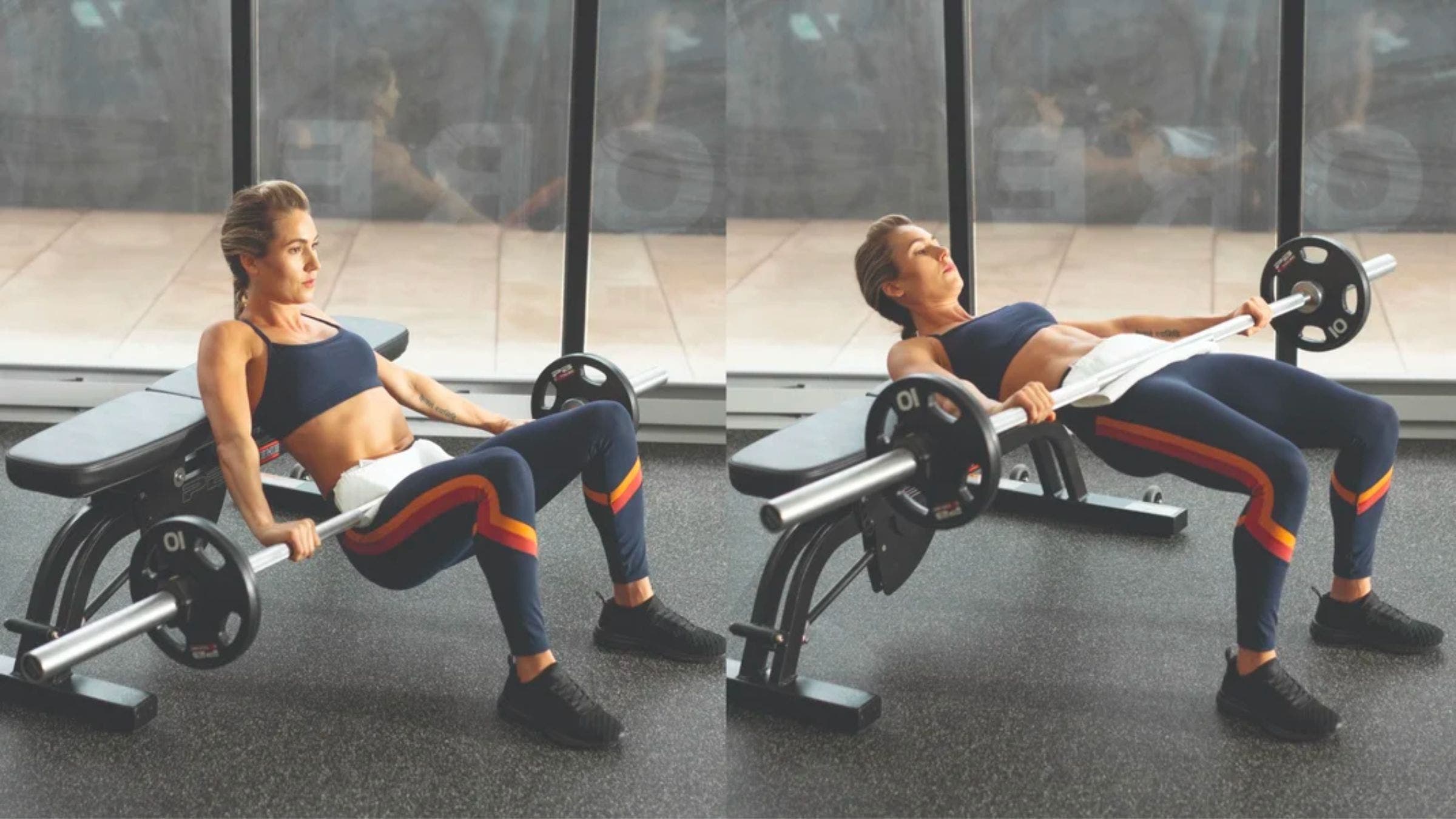
Great for strengthening your posterior chain, especially for those who are quad-dominant and have trouble activating their glutes.
Side Step Toe Touches with Resistance Bands
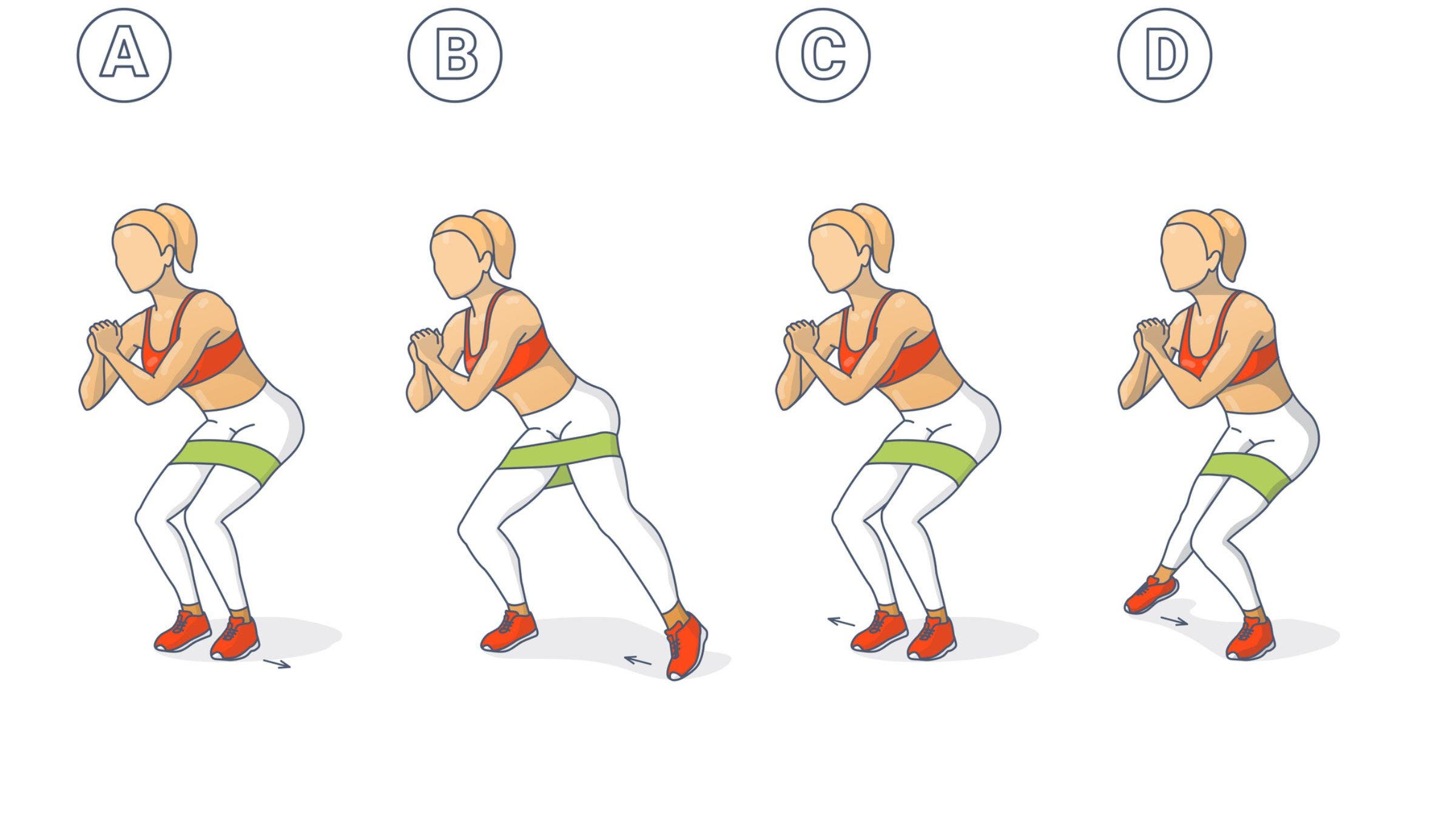
Also called “monster walks,” this exercise is done with a light resistance band. Side-stepping strengthens the abductors and adductors, muscles that runners often neglect in weightlifting but are essential to a powerful stride.
Lateral Lunges
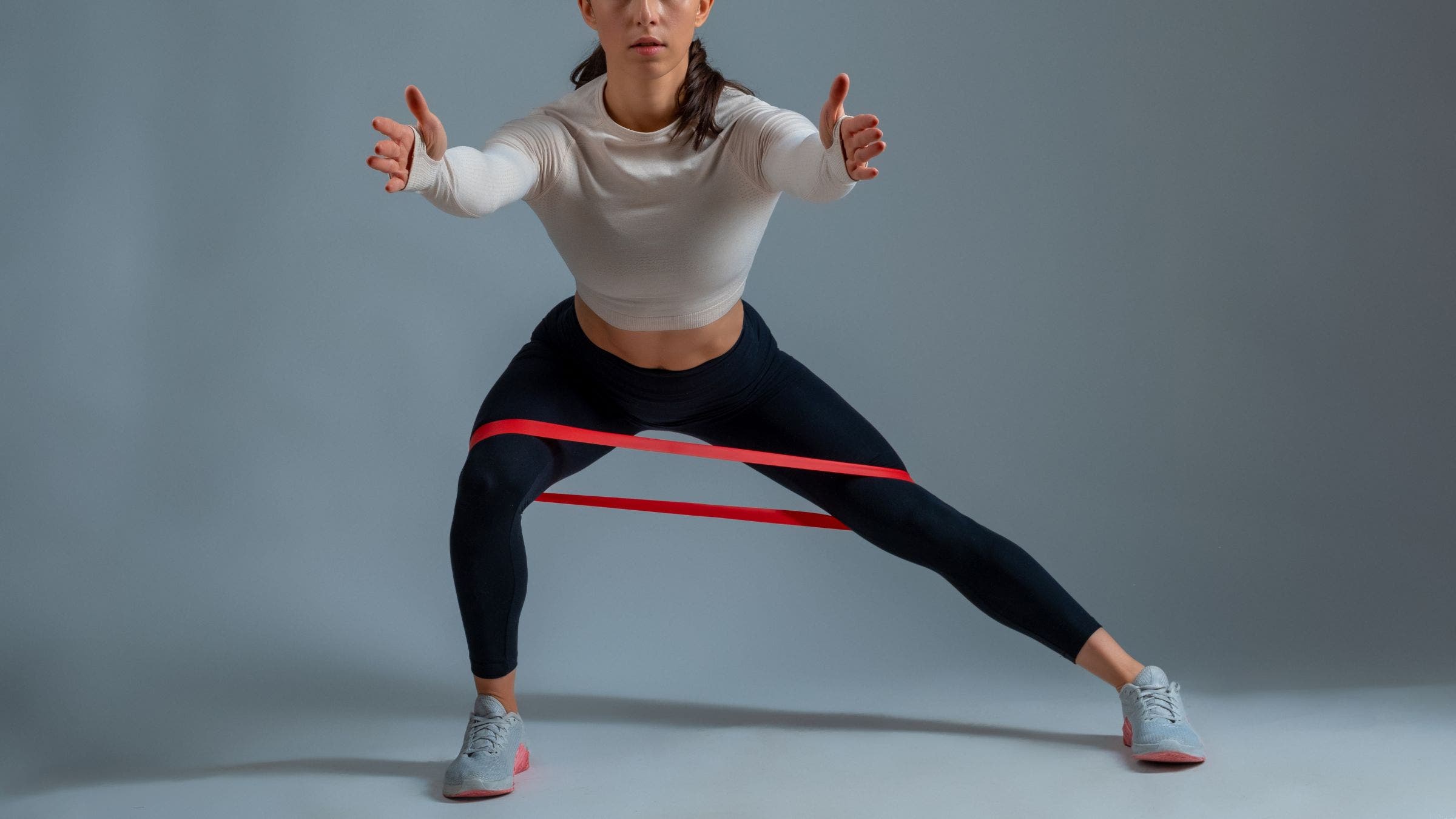
This plyometric movement not only builds strong glutes but also helps work your muscles in a new plane of motion, which can help create good balance.
ADVERTISEMENT
Clamshells
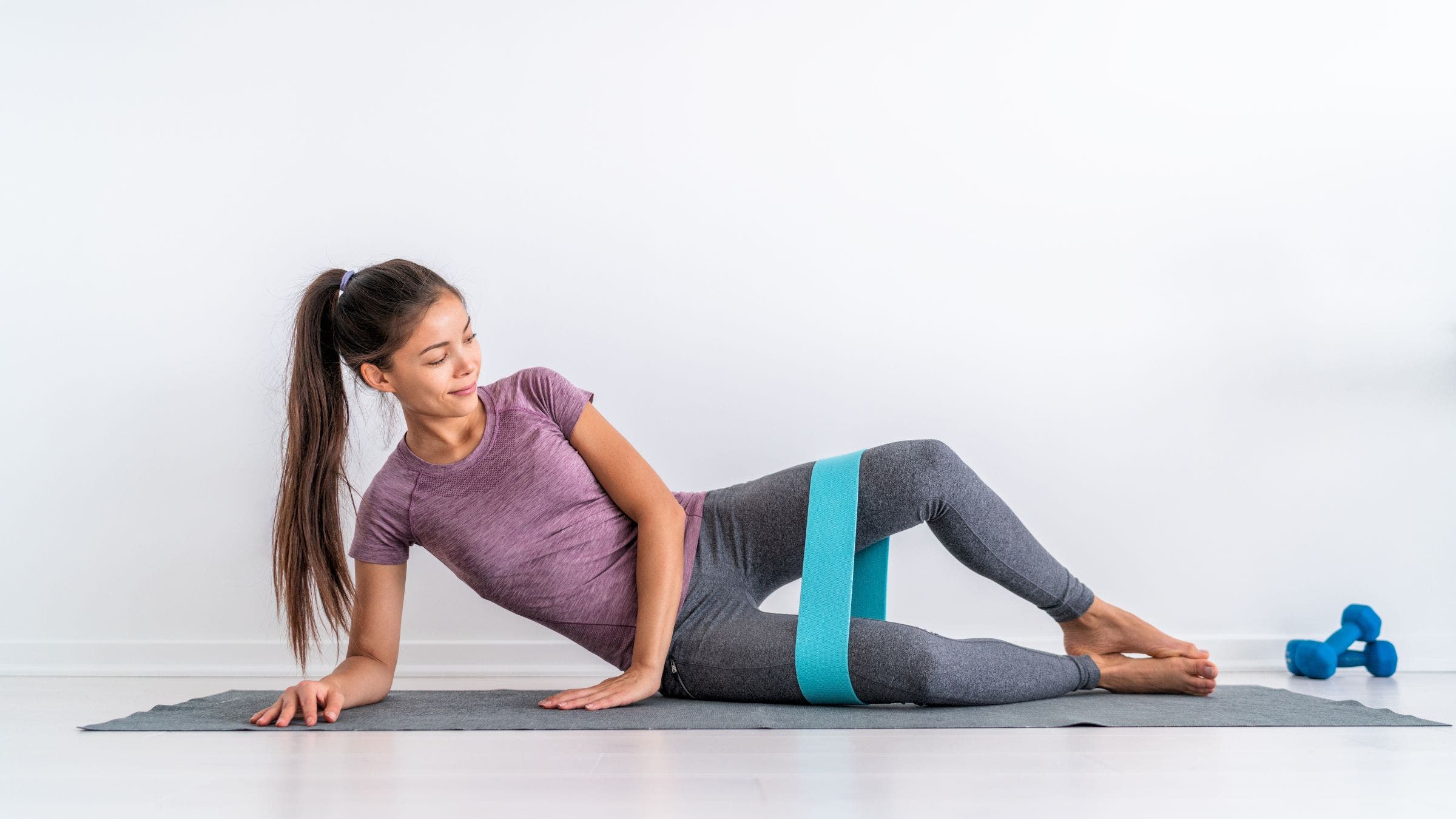
Stabilizes your hips, pelvis, glutes, and lower back. Clamshells are also one of the few exercises that force you to activate both the gluteus medius and maximus.
“To effectively strengthen these muscles, exercises should be performed in both open and closed chain positions,” Bhagat says, “This approach ensures strength development in all functional positions, aiding the body’s ability to apply this strength in running. For those finding it challenging to engage their glutes during activities, starting with exercises that isolate these muscles, without the involvement of other muscle groups, is beneficial.”
No Butts About It
Look, as runners, we want to be outside. We prefer running along a river rather than being in a gym doing reps and jumping on boxes. But here’s the thing: a little strength work can go a long way for your running life, especially if you focus on the glutes, which are the absolute boss of your running economy, stability, and power. This isn’t a prescription to become a gym rat. No, this is an invitation to give a little love to your rump for huge returns and enjoyment while on the run.
